
Cold-Pressed vs Refined Oils: What You Need to Know
Every bottle of cooking oil on a supermarket shelf looks similar. But what happens between the seed and the bottle makes a world of difference to your health. The choice between cold-pressed and refined oils is not just a culinary preference — it is a decision that directly affects the nutrients, flavour, and safety of the food you eat every day.
What Is Cold-Pressed Oil?
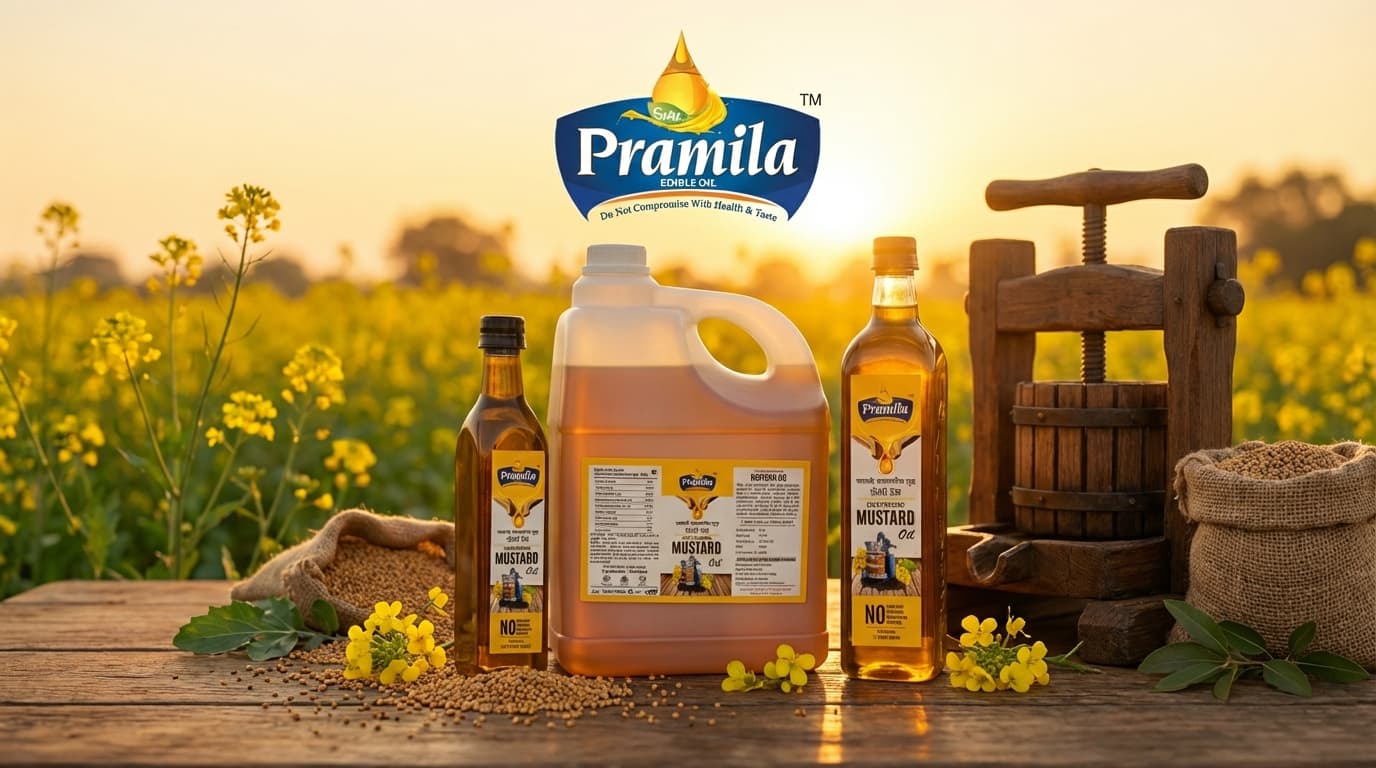
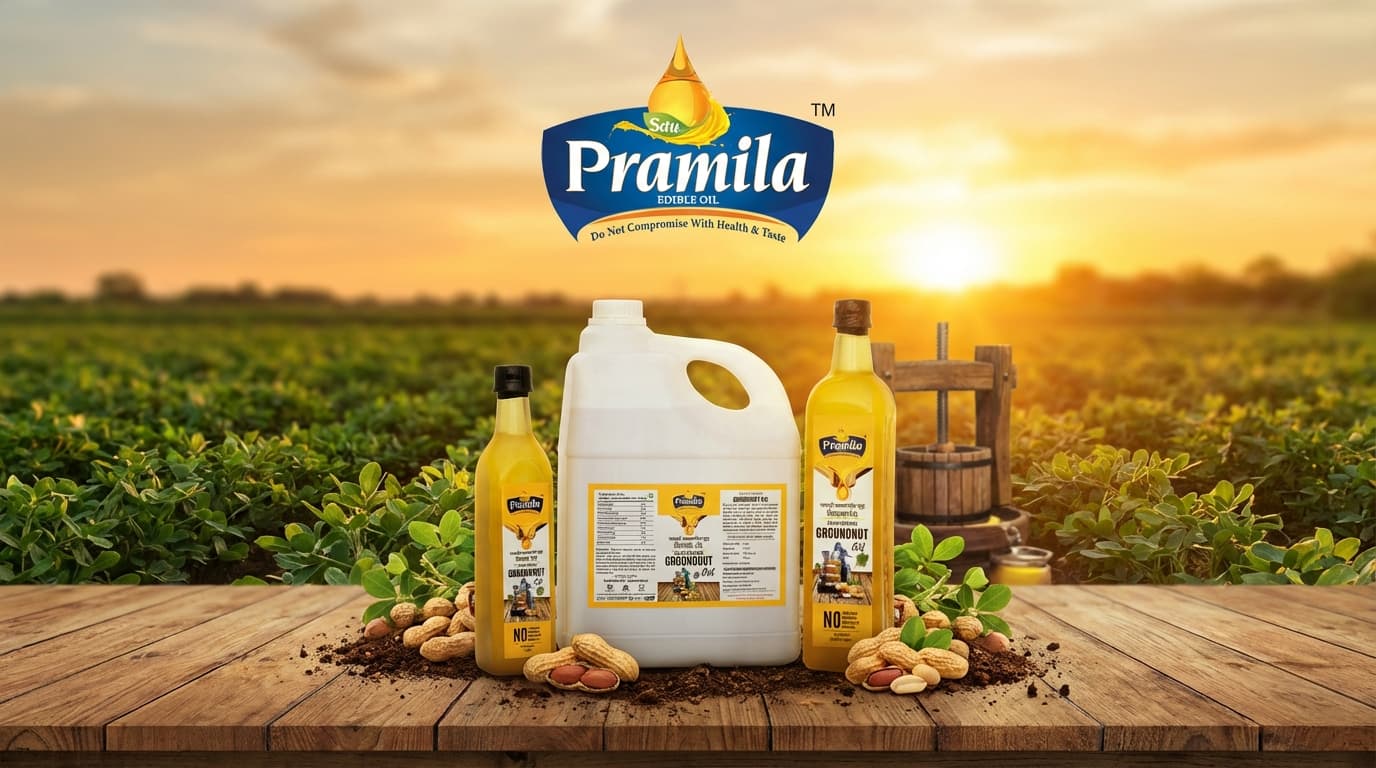
Cold-pressed oil is extracted by crushing seeds or nuts using a mechanical press at low temperatures — typically below 40 °C. Because no heat or chemical solvents are applied, the oil retains its natural vitamins, antioxidants, and flavour. The traditional wooden Ghani (kolhu) used in India is a classic example of cold-pressing. The process is slower and yields less oil per kilogram of seed, which is why cold-pressed oils cost more. But every drop is as nature intended.
How Are Refined Oils Made?
Refined oils go through a multi-step industrial process. First, seeds are crushed at very high temperatures (often above 200 °C) to maximise yield. The resulting crude oil is then treated with chemical solvents like hexane to extract every last drop, followed by degumming, bleaching, and deodorising. Each step strips away natural pigments, aromas, and — critically — beneficial nutrients. What remains is a neutral-tasting, clear oil that has a long shelf life but a fraction of the original nutritional value.
Nutritional Comparison
Cold-pressed oils retain Vitamin E, polyphenols, Omega-3 and Omega-6 fatty acids, and phytosterols that are largely destroyed during high-heat refining. A tablespoon of cold-pressed groundnut oil, for instance, contains significantly more antioxidants than its refined counterpart. These antioxidants help reduce inflammation, support heart health, and protect cells from oxidative stress — benefits you simply cannot get from a refined version of the same oil.
Taste and Aroma
If you have ever cooked with authentic cold-pressed mustard oil or pure coconut oil, the difference in aroma is unmistakable. Cold-pressed oils carry the natural fragrance and flavour of the source ingredient, which enhances the taste of your dishes. Refined oils, having been deodorised, are deliberately flavourless — they may suit certain cuisines but add nothing to the food itself.
Smoke Point: The Real Story
A common misconception is that refined oils are better for cooking because they have a higher smoke point. While refined oils can withstand higher temperatures, exceeding the smoke point of any oil — refined or cold-pressed — produces harmful compounds. Traditional Indian cooking at moderate heat with cold-pressed oils is perfectly safe and far healthier. For deep-frying at very high heat, using a small amount of refined oil is acceptable, but for everyday tadkas, sautéing, and curries, cold-pressed is the superior choice.
Shelf Life and Storage
Cold-pressed oils have a shorter shelf life than refined oils because they retain natural compounds that can oxidise over time. Store them in a cool, dark place and use within three to six months of opening. The richer flavour and higher nutrition are well worth this small trade-off.
The evidence is clear: cold-pressed oils are nutritionally superior, flavour-rich, and free from the chemical residues associated with refining. Switching to cold-pressed oils for everyday cooking is one of the easiest and most impactful changes you can make for your family's health. At Pramila Oils, every bottle is cold-pressed the traditional way — pure, honest, and exactly as nature intended.