
What is the Ghani Method? Understanding Traditional Oil Extraction
In the age of industrial food processing, one ancient method has stood the test of thousands of years — the Ghani, or Kolhu. This traditional wooden press is the original cold-press technology, and the oils it produces are fundamentally different from anything made in a modern refinery. Understanding the Ghani method helps explain why traditionally extracted oils are so nutritionally superior.
Origins of the Ghani
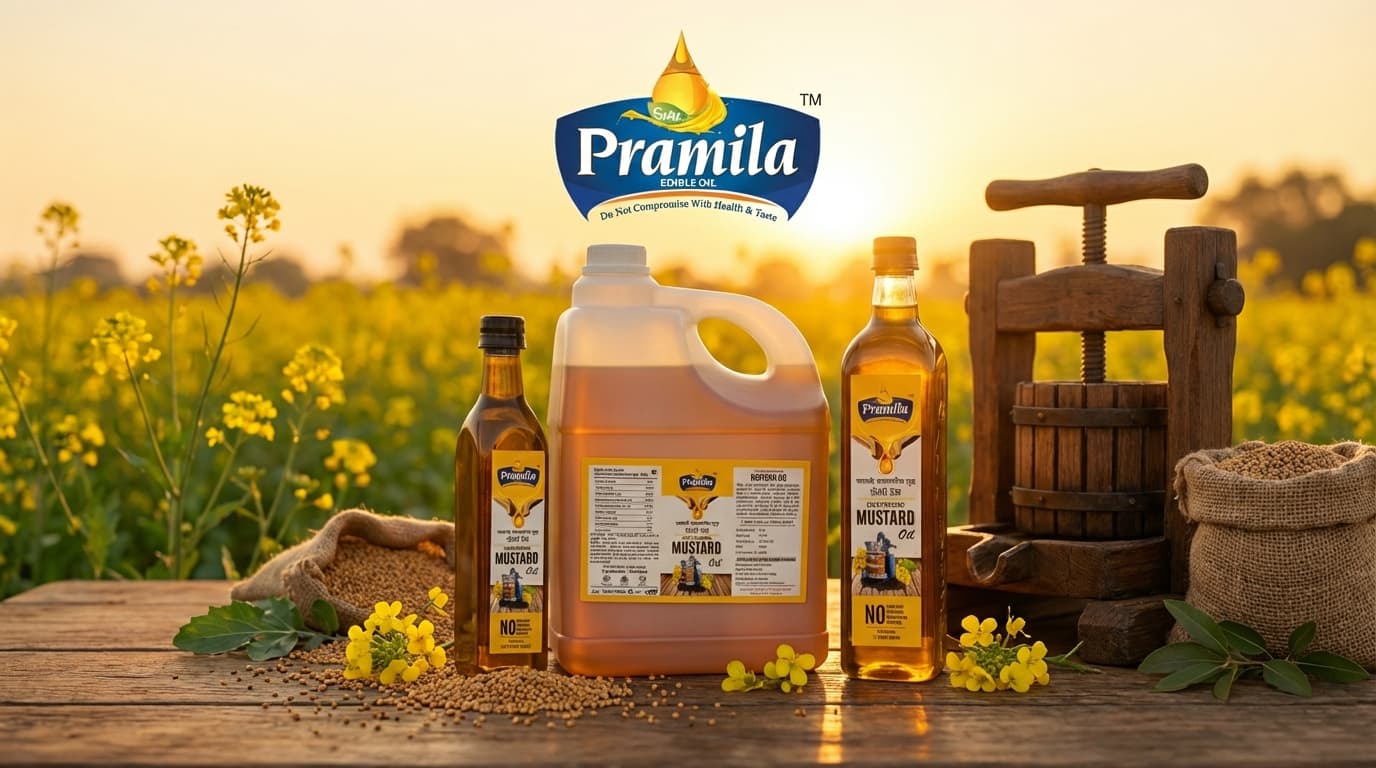
The Ghani (known as Kolhu in Hindi, Chekku in South India, and Ghani in Maharashtra) has been used across the Indian subcontinent for at least three millennia. Ancient Sanskrit texts and Ayurvedic treatises reference oil extracted through slow, cold pressing as integral to both cooking and medicine. Traditionally powered by a bullock walking in circles around the central press, the Ghani grinds seeds at a natural, slow pace — a pace that prevents heat build-up.
How the Ghani Works
The Ghani consists of a heavy wooden or stone pestle that rotates inside a wooden mortar. Seeds are fed into the mortar and crushed by the rotating pestle under immense mechanical pressure. The slow rotation — typically between 8 to 12 RPM — is critical. This low speed means the seeds never experience the frictional heat that industrial expeller presses generate. The oil that flows out is raw, unfiltered, and rich in all the compounds nature put into the seed.
Why Temperature Matters
Heat is the enemy of nutritional oils. Above 40–50 °C, the delicate polyunsaturated fatty acids in oils begin to oxidise. Above 120 °C, Vitamin E and other antioxidants are destroyed. Industrial presses can reach 80–120 °C through friction alone before any refining begins. The Ghani, by contrast, keeps the extraction temperature below 35 °C. This means the oil retains its full complement of vitamins, antioxidants, natural flavour compounds, and beneficial fats exactly as they exist in the seed.
Modern Ghani-Press Technology
Today, modern cold-press machines mimic the Ghani principle using stainless steel slow-speed presses operating below 40 °C. At Pramila Oils, we use a combination of traditional Ghani techniques and modern food-grade cold-press equipment to ensure the same nutritional integrity that the original Ghani provides — with the consistency and hygiene standards that modern production requires. No hexane, no bleaching, no deodorising.
The Residue: What Happens to the Seed Cake
After oil is extracted, the remaining seed cake — or poonac — is rich in protein and fibre. In traditional settings, this was fed to cattle as high-nutrition fodder. In modern applications, cold-press seed cakes are used as organic fertiliser or animal feed. This zero-waste approach is one more reason why the Ghani method is not only healthier but more sustainable than chemical extraction, which often leaves solvent-contaminated cake.
Recognising Genuine Ghani-Pressed Oil
Authentic Ghani-pressed or cold-pressed oil will typically have a deeper colour than refined oil, a natural sediment that settles at the bottom of the bottle, and a distinctive aroma of the source ingredient. It may have a shorter shelf life. If your oil looks water-clear, smells of nothing, and never forms any natural cloudiness — it has been refined. Genuine cold-pressed oil from a Ghani is alive with flavour, colour, and nutrition.
The Ghani is more than an oil press — it is a symbol of a food philosophy that prioritises nutrition, flavour, and respect for natural ingredients. At Pramila Oils, we carry this philosophy forward with every batch we produce. Our oils are cold-pressed the traditional way, bringing you the same quality and goodness that generations of Indian families have relied upon.